
No hay productos en el carrito.
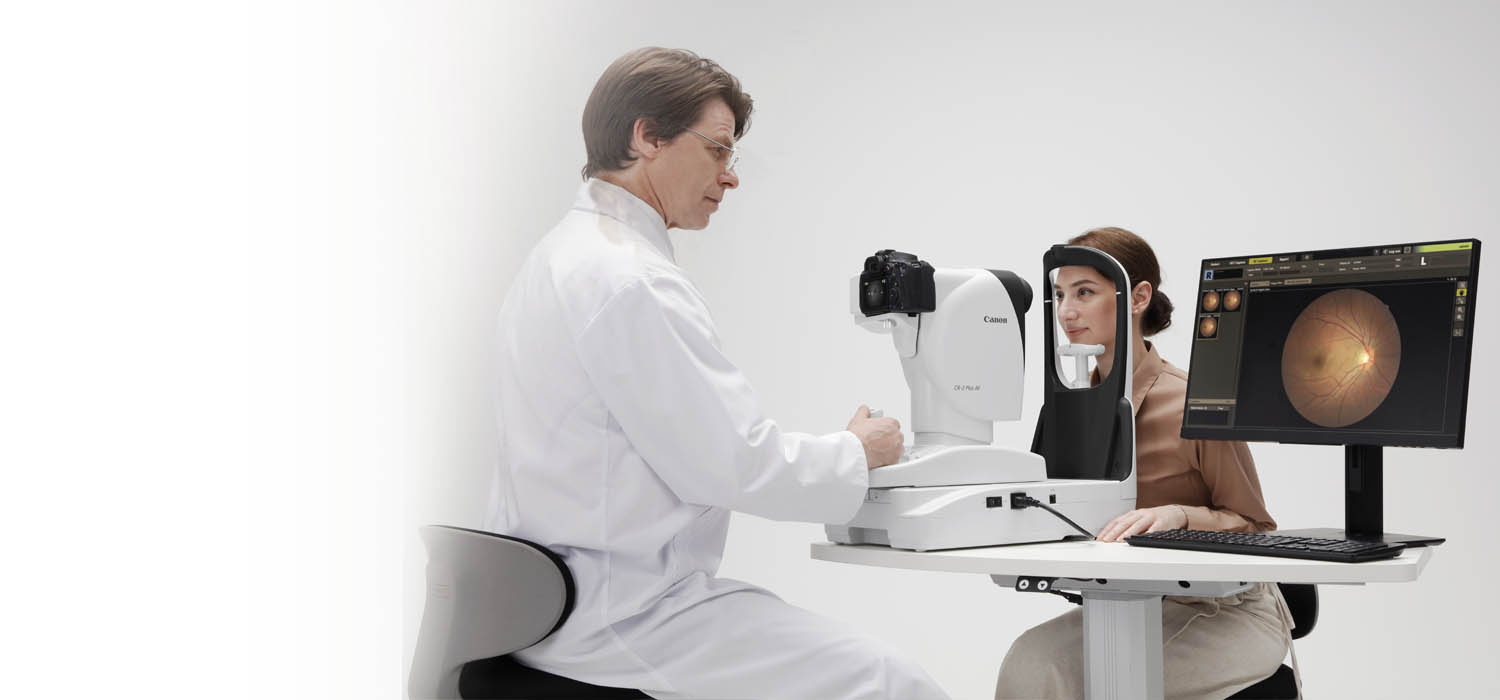
Comparando las cámaras retinales no miodriáticas: ¿Qué marca ofrece el mejor rendimiento?
Eye care is quite an evolving field. Retinal imaging is a cornerstone of early diagnosis and ocular disease management. The introduction of non-mydriatic retinal cameras has significantly improved eye disease management.
Non-mydriatic cameras make eye treatment easier. They capture clear, high-quality retinal images for evaluation.
In this article, you will learn about different retinal imaging tools. We will also discuss available camera brands and their features. This will help you choose the right camera for your practice.
What Are Non-Mydriatic Retinal Cameras?
Non-mydriatic retinal cameras are high-quality devices that capture clear retinal images without dilating the pupil. These cameras use infrared light and other advanced technologies to capture clear images that help diagnose and monitor retinal problems.
Advantages Over Traditional Fundus Cameras
These cameras offer many advantages over traditional fundus cameras. This holds true even with the latest non-mydriatic cameras. Check these out.
1) Patient comfort: These non-mydriatic cameras eliminate blurred vision and the discomfort of pupil dilation, enhancing your patient’s experience. With guaranteed comfort, patients will want to return next time or, better still, recommend your clinic to others.
2) Increased efficiency: The cameras significantly reduce the examination time, allow for a higher patient throughput, and improve clinic workflow. You will find that you can see more patients while still giving them accurate results and the right medication.
3) Simplified operations: One needs little to no specialized training on how to use the camera. Your staff can quickly learn how to operate it using the detailed manual.
4) Improved accessibility: The non-mydriatic camera allows retinal imaging among patients sensitive to dilation drops or who experience difficulty throughout the process.
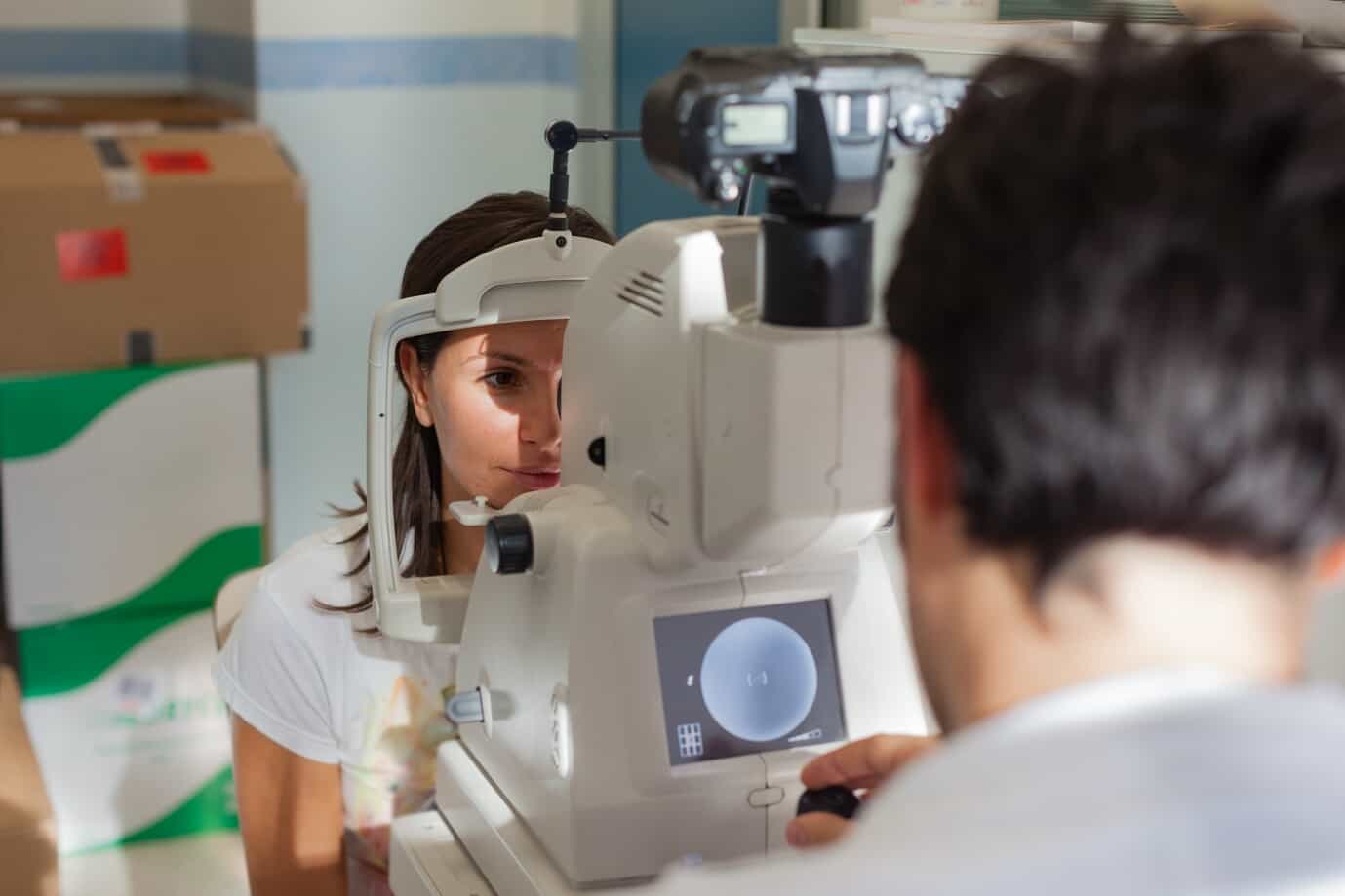
Why Should Your Clinic Invest in the Non-Mydriatic Retinal Camera?
When your clinic buys this camera, it can improve early detection of eye diseases. Your clinic can easily detect issues such as glaucoma, diabetic retinopathy, and age-related macular degeneration (AMD). Timely intervention can lead to better outcomes after treatment.
The non-mydriatic cameras also improve patient experience and retention. They provide a comfortable, efficient examination process that increases patient satisfaction and loyalty. They also increase diagnostic accuracy and documentation.
The high-quality images that these cameras capture promote accurate diagnosis and documentation. This improves patient management and follow-up.
What to Consider When Choosing the Right Non-Mydriatic Retinal Camera
Selecting the right non-mydriatic camera for your clinic involves myriad factors. These factors will help you make the right decision.
- The quality of images and their field of view
- The image clarity and resolution of every detail captured
- Software and EMR compatibility
- The non-mydriatic camera is compatible with your clinic’s electronic medical records.
- It should have user-friendly software with high-end image analysis capabilities and reporting capabilities.
- It should be easy to learn and operate, with a thorough, accessible manual.
- It should be easy to integrate into your clinic’s workflow
- The camera should be ergonomic for comfortable, efficient use while working with your patient.
- Should be durable, backed by a warranty, and have reliable customer support
- Consider the initial investment versus the long-term benefits.

Expert Recommendations & Value Picks
Many non-mydriatic camera brands are available. Here are some top retinal camera brands and their features.
1. Volk Viva ($5,000.00)
El Volk Viva is a battery-powered, handheld fundus camera that captures high-resolution retinal images without pharmacologic pupil dilation (“non-mydriatic”). It is light and portable (under 2 lbs) and provides high-quality imaging for many settings. You can use it in clinics, waiting rooms, nursing homes, patient rounds, or outreach events. It also makes your work easier with on-device review, annotation, and wireless sharing.

This portable, versatile model is ideal for mobile clinics or clinics with limited space. Its exceptional image quality and ease of use make this camera ideal for screening and general examinations.
2. Topcon TRC-NW400 ($11,999.00)
El Topcon TRC-NW400 Non-Mydriatic Retinal Camera is easy to use. The system fully automates tasks and includes auto-focus and auto-capture features. This camera captures high-resolution color images of the retina and the front of the eye. Given its features, this camera is worth the price. Users praise this non-mydriatic camera for its performance, functionality, and intuitive interface.
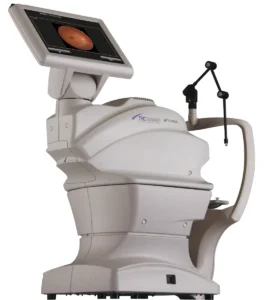
A solid midrange camera with outstanding functionality exists. It delivers high-quality images and a nice workflow for general eye care practices.
3. Topcon NW500 ($15,999.00)
El Topcon NW500 is a fully automated, tabletop retinal camera. It captures high-resolution color images of the back of the eye. You can do this without dilating the pupils with eye drops.
It delivers clear, steady images with new slit-scan lighting and a rolling-shutter system. This works well even with small pupils (φ 2.0 mm or larger). It simplifies workflow with one-touch alignment, focus, and capture in normal lighting.
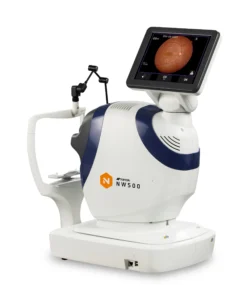
This non-mydriatic camera delivers high-quality images with advanced features, improved software, and EMR integration. It is suitable for patients requiring advanced diagnosis. Compared to the NW400, it provides higher-resolution images and more advanced software.
4. Canon CX-1 ($8,999.00)
El Canon CX-1 is a hybrid retinal camera. It uses Canon’s EOS imaging with advanced fundus autofluorescence (FAF) features. You can choose between mydriatic and non-mydriatic modes with a simple push-button switch. It provides high-resolution color, red-free, cobalt, fluorescein angiography (FA), and FAF photographs. All this is available in one compact system.
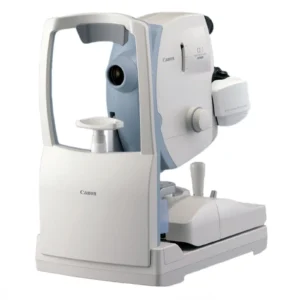
This versatile camera can provide mydriatic and non-mydriatic images. The non-mydriatic camera delivers exceptional images and comprehensive diagnostic tools, making it suitable for diverse clinical needs.
5. ZEISS CIRRUS Photo 800 ($3,999.00)
El ZEISS CIRRUS Photo 800 is a flexible retinal imaging system. It combines a high-resolution OCT scanner with a digital fundus camera, which can be used with or without dilation. The design streamlines retinal and posterior segment examinations by capturing tomographic and color fundus images in a single, integrated workflow.
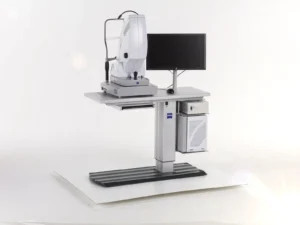
The non-mydriatic camera delivers superior image quality and advanced diagnostic tools that easily integrate with the ZEISS ecosystem. The non-mydriatic camera is best suited for specialized practices that require high-end imaging capabilities. It is best for detailed analysis and advanced practice.
Whether you focus on glaucoma, macular degeneration, diabetic retinopathy, or routine retinal screening, the ZEISS CIRRUS photo 800 provides a complete solution. It provides both imaging and OCT. This gives clinicians better data to improve patient care.
6. 3Nethra Classic ($6,000.00)
This is your go-to choice if your clinic is on a budget yet needs a pocket-friendly camera. It is easy to use and delivers high-quality images for general screening purposes. El 3nethra Classic from Forus Health is a digital fundus camera. It captures high-quality, true-color images of the retina and cornea.
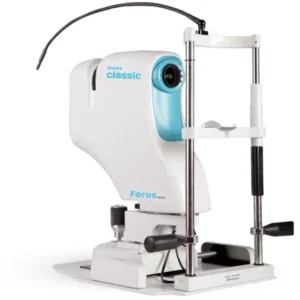
You can use it without eye drops to dilate the pupils. Its small benchtop design and comfortable shape help eye doctors and primary-care clinicians work better. This tool helps evaluate, diagnose, and document eye health effectively.
The 3nethra Classic fundus camera combines high-resolution imaging, a comfortable design, and telemedicine features. This helps clinicians provide quick and reliable eye health assessments in almost any location.
Comparison Summary:
| Qualities of the Non-mydriatic cameras | Volk Viva Non-mydriatic cameras | Topcon Non-mydriatic cameras | TRC-NW400 Non-mydriatic cameras | Topcon NW500 Non-mydriatic cameras | Canon CX-1 Non-mydriatic cameras | ZEISS CIRRUS Photo 800 |
| Image Quality | Good | High | Enhanced | Exceptional | Superior | Good |
| FOV | Moderate | Wide | Wide | Wide | Wide | Moderate |
| EMR Integration | Variable | Good | Excellent | Good | Excellent | Variable |
| Facilidad de uso | Very good | Good | Good | Good | Good | Very good |
| Portability | High | Moderate | Moderate | Moderate | Moderate | Moderate |
| Value | Excellent | Good | Premium | Premium | Premium | Excellent |
Frequently Asked Questions (FAQs)
a) How do these cameras improve one’s workflow?
The non-mydriatic camera does not require pupil dilation. This shortens exam time, improves patient flow, and increases clinic productivity. Compared with traditional methods, you can see more patients daily.
b) Can the non-mydriatic cameras be used for every practice type?
These non-mydriatic cameras suit several practices, such as general optometry or specialized ophthalmology hospitals. The choice depends on your needs, patient demographics, and budget.
C) Give examples of diseases that can be diagnosed using these cameras
Doctors now use non-mydriatic cameras to detect and monitor many conditions. These include diabetic retinopathy, retinal vascular occlusions, AMD, glaucoma, and other retinal diseases.
d) Can you easily integrate the images from the non-mydriatic cameras into your electronic health record?
Today’s non-mydriatic cameras support EMR integration, improving medical record management. Don’t shy away from investing in a camera for your clinic.
Wrap up
Choosing the right non-mydriatic camera is an important decision. It will affect your practice and the care you provide. When choosing a camera for your practice, consider several factors. These include EMR compatibility, image quality, budget, and ease of use.
This way, you will buy a device that guarantees optimal value. If the camera is high-quality, affordable, and uses advanced technology, you can provide your patients with great care.
If you need a personalized recommendation or expert guidance on choosing the right non-mydriatic cameras for your clinic, contact Manzo Eyecare. We will help you every step of the way, assist you in selecting the right camera, and support you in improving your eye practice.
 English
 Spanish
 German
 French