
No products in the cart.
Choosing the Best Slit Lamp for Your Optometry Practice
Choosing a slit lamp can make the difference between routine examinations and groundbreaking diagnostic accuracy. With the right model, you can detect subtle eye conditions early, improve patient care, and streamline your clinical workflow.
With so many options, how do you choose the best slit lamp for your optometry practice?
Technological advancements in 2026 have made slit lamps more powerful than ever. They feature high-resolution optics, digital imaging, and seamless integration with electronic medical records (EMR). Understanding these features and choosing the right model is essential to maximize efficiency and deliver top-tier eye care.
Keep reading to learn about the best slit lamps available. We will cover key features to consider and expert tips for choosing a slit lamp for an eye clinic.
What Is a Slit Lamp and How Does It Work?
A slit lamp is a highly specialized biomicroscope that plays a critical role in optometry and ophthalmology. It enables practitioners to evaluate the eye’s anterior and posterior segments in depth. The slit lamp uses a bright light and a binocular microscope. It gives a clear, three-dimensional view of eye structures.
This precise visualization allows for early detection of conditions such as:
- Cataracts
- Corneal disorders
- Glaucoma
- Retinal abnormalities
The slit lamp is a vital tool in modern eye care. It helps improve diagnosis and patient outcomes.

How a Slit Lamp Works
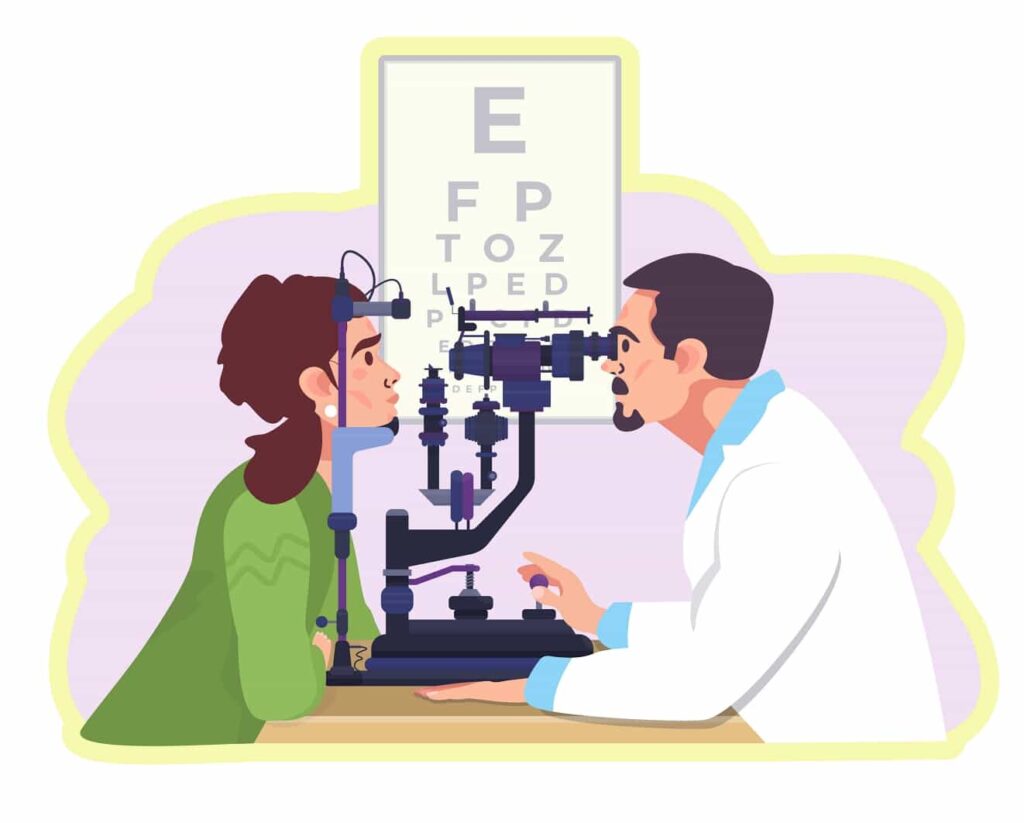
A slit lamp is a fundamental diagnostic instrument in every optometry practice. It provides detailed visualization of ocular structures with exceptional precision. It also lets optometrists examine the eye at multiple magnification levels, identifying conditions from minor corneal abrasions to complex retinal diseases.
With advancements in optics and illumination technology, modern slit lamps offer enhanced clarity and accuracy, making them indispensable for comprehensive eye assessments. Understanding how a slit lamp works is essential to choosing the right model for an optometry practice’s needs.
Below are key points of slit lamps:
- Projects a thin, bright beam (the slit) onto the eye to highlight different structures
- Uses variable magnification and illumination to provide a clear, detailed view
- Enables a stereoscopic view, giving depth perception for precise assessments
- Allows the use of different filters and lenses to enhance specific structures

Common Uses of a Slit Lamp
Slit lamps are indispensable tools in eye care, enabling detailed assessment of the eye’s structures. They provide high-resolution, magnified views that enable optometrists to identify even the smallest abnormalities, such as:
- Corneal irregularities
- Lens opacities
- Retinal changes
These devices are essential for diagnosing, monitoring, and managing a wide range of ocular conditions, helping optometrists provide early interventions and effective treatment plans. Knowing the common uses of a slit lamp helps practitioners choose the best model for their needs and workflow.
Below are key diagnostic applications where slit lamps play a crucial role in eye examinations:
- Corneal examination: Detects ulcers, abrasions, and keratoconus
- Cataract detection: Evaluates lens opacities and nuclear sclerosis
- Glaucoma screening: Assesses the anterior chamber angle
- Retinal and optic nerve inspection: Inspects the macula and optic nerve head.
A better understanding of how a slit lamp works makes choosing the right model easier.
Key Features to Look for in a Slit Lamp
Choosing the right slit lamp is an investment that impacts both diagnostic precision and patient care. When choosing the best slit lamp for an optometry practice, evaluate key features. This ensures the equipment meets clinical needs.
Optical Quality & Magnification
A slit lamp’s optical quality directly affects diagnostic accuracy, making it a critical factor when choosing a model.
High-resolution optics let us detect even the smallest abnormalities, enabling more precise examinations. Understanding magnification levels and lens quality helps optometrists choose a slit lamp that improves efficiency and clinical outcomes.
Below are key optical features that contribute to a high-performing slit lamp and their impact on eye examinations:
- High-quality glass optics deliver superior image clarity
- Multiple magnification levels (e.g., 6x, 10x, 16x, 25x, 40x) allow detailed visualization
- High-resolution objectives enhance the ability to detect micro-abnormalities
Lighting System
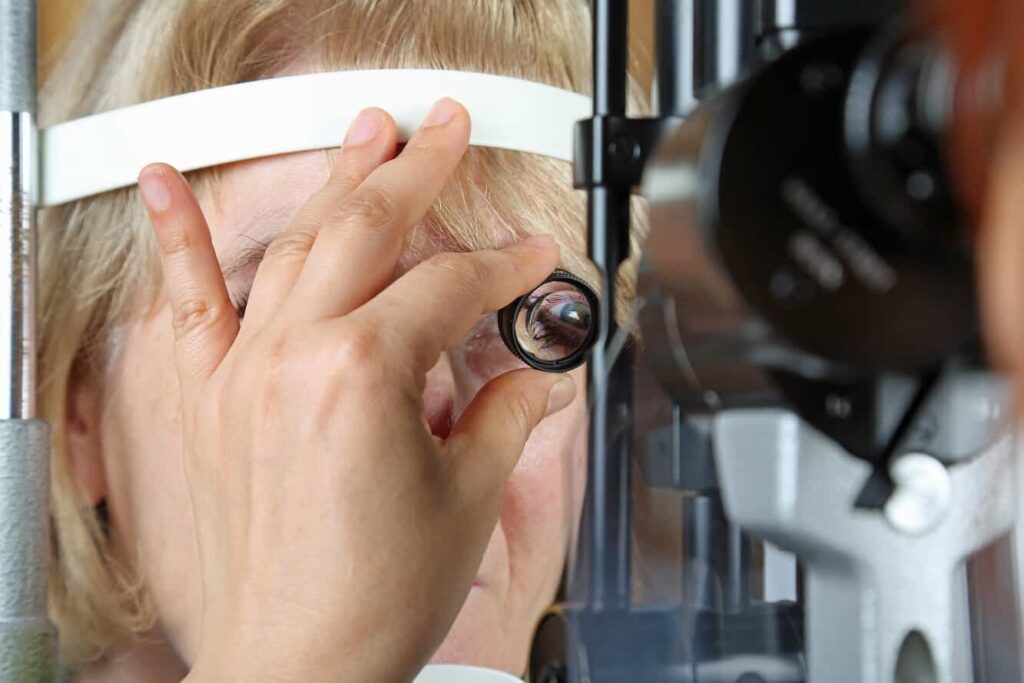
The slit lamp’s lighting system plays a crucial role in enhancing visibility and diagnostic accuracy. Proper illumination enables detailed observation of ocular structures. This makes it easier to detect abnormalities.
Understanding different lighting options helps optometrists choose a slit lamp that best fits their practice needs. Below are key lighting features that support optimal eye examinations and improve diagnostic precision.
- LED vs. halogen: LED offers better brightness, longer life, and reduced heat
- Adjustable intensity: Customizable brightness levels improve patient comfort
- Filter options: Red-free, cobalt blue, and neutral density filters enhance contrast and diagnostics.
Digital Imaging Integration
Digital slit lamps use high-resolution cameras to capture detailed images of the eye in real time. This enables better documentation and patient education.
Advanced software integration ensures seamless connectivity with electronic medical records (EMR). It lets practitioners store, retrieve, and compare images over time to improve diagnostic tracking.
AI-assisted diagnostic capabilities leverage machine learning to detect subtle changes in ocular structures.
Ergonomics & Ease of Use
A good slit lamp should make things comfortable for both the doctor and the patient. It should help with smooth and efficient exams. Considering these features helps optometrists invest in a slit lamp that enhances efficiency, accuracy, and patient care:
- A smooth joystick control ensures precise adjustments, reducing strain during extended examinations
- Ergonomic designs support a comfortable hand position, preventing fatigue for optometrists
- Intuitive, user-friendly controls improve workflow efficiency, allowing for quick modifications during patient exams
- Compact and space-saving designs integrate seamlessly into any practice setup, maximizing available workspace
Types of Slit Lamps for Optometry Practices
Different slit lamps are available based on their intended use and clinical setting. Understanding the variations helps you choose the right model for your practice.
Table-Mounted Slit Lamps
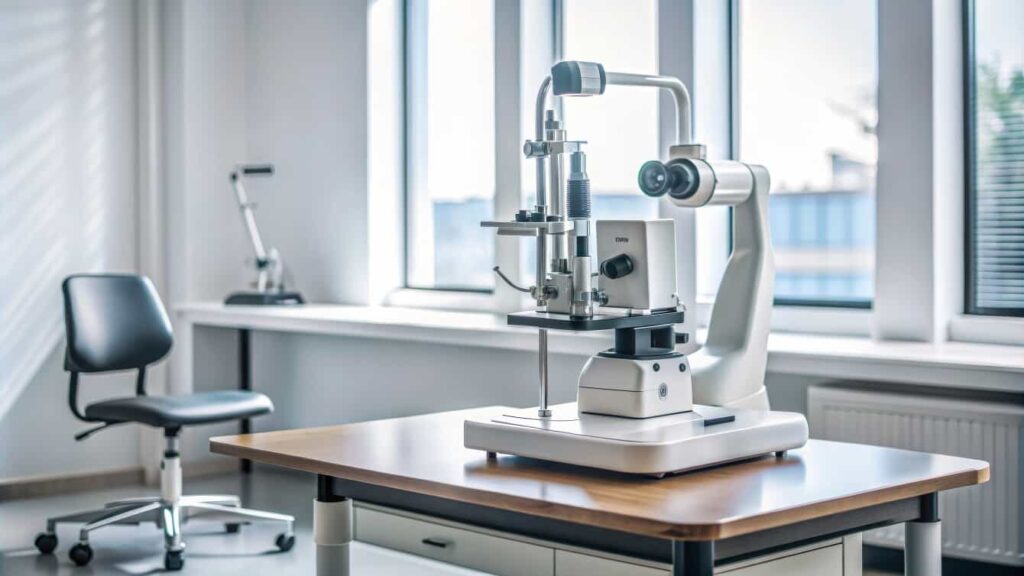
Table-mounted slit lamps are the most commonly used models in optometry clinics and ophthalmology practices. They offer superior stability, enabling highly detailed examinations and precise imaging. These models suit high-traffic clinics that need consistency, durability, and advanced diagnostic capabilities.
Table-mounted slit lamps are best for high-traffic clinics and detailed examinations. They provide the highest optical precision and stability. Expect these lamps to offer multiple magnification levels and advanced lighting features.
The top models are:
- Haag-Streit BQ 900: Superior optics and precision
- Topcon SL-D701: Digital integration with robust functionality
Handheld Slit Lamps
Handheld slit lamps provide a portable alternative to traditional table-mounted models. This makes them ideal for optometrists who conduct mobile exams.
These compact devices are useful to use in the following scenarios:
- In-home visits
- Emergency settings
- Situations where flexibility is needed
Their lightweight design enables quick, efficient exams without sacrificing essential diagnostic capabilities.
The top models are:
- Keeler PSL Classic: Lightweight and durable
- Reichert Handheld Slit Lamp: Compact with solid performance
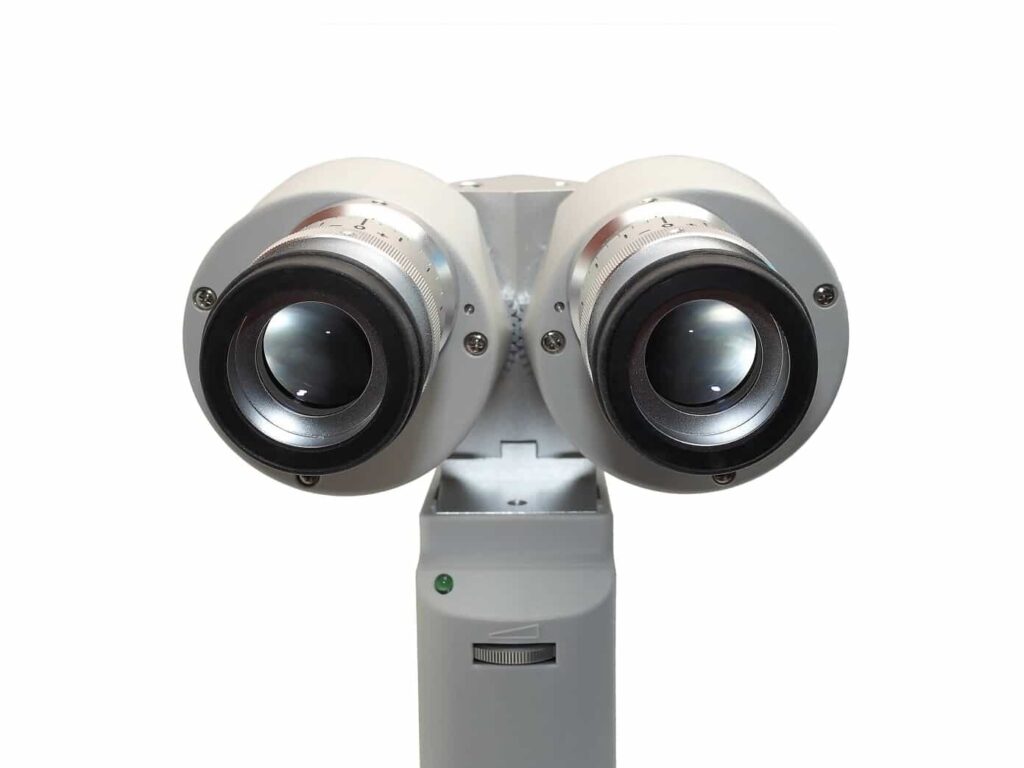
Digital Slit Lamps
Digital slit lamps combine traditional optics with modern imaging technology, making them essential for advanced diagnostics. These devices offer:
- High-resolution imaging
- Real-time documentation
- Seamless integration with electronic medical records (EMR)
Understanding these benefits helps optometrists decide whether a digital slit lamp fits their practice.
The top models are:
- CSO Digital Slit Lamp: High-resolution imaging with software compatibility
- Zeiss SL 220: Combines digital imaging with optical excellence
Choosing the right type ensures a tailored solution based on your practice’s workflow and patient demographics.

Best Slit Lamps for Optometrists in 2026
Choosing the best slit lamp brands for eye exams requires careful consideration of features, technology, and long-term benefits. The following models are top slit lamps for optometrists, based on performance, reliability, and technological advances.
1. Haag-Streit BP 900 ($3,999.00)
Haag-Streit has long been a leader in precise eye instruments. The BP 900 shows this strong reputation. This model combines traditional skills with modern technology. It is a dependable choice for eye care professionals.
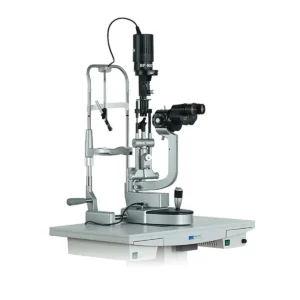
Features include the following:
- Two-step magnification (10x, 16x)
- LED illumination system
- High-quality Kepler microscope
Best for routine clinical examinations requiring precision optics.
2. Haag-Streit BM 900 LED Slit Lamp ($3,300.00)
The Haag-Streit BM 900 LED Slit Lamp is a new version of a classic tool. It provides better light and clear optics. Its durable design and smooth operation make it a preferred choice for many optometry practices.

Its features include the following:
- Kepler microscope with LED illumination
- Smooth joystick operation
- Durable and ergonomic design
Best practices require a balance of performance and cost efficiency.
3. Haag-Streit BQ 900 LED Slit Lamp ($6,999.00)
Engineers design the Haag-Streit BQ 900 LED Slit Lamp for high-quality diagnostics. It combines advanced optics with modern lighting. This model offers exceptional versatility, making it suitable for general optometry and specialized research applications.
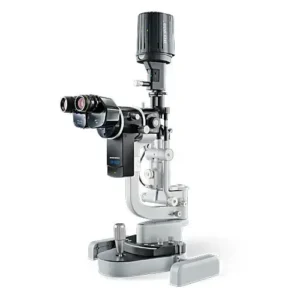
Its features include the following:
- Five-step magnification (6x, 10x, 16x, 25x, 40x)
- LED illumination with background illumination
- Digital imaging compatibility
This model is best for comprehensive diagnostics and research applications.
4. ZEISS SL 800 Slit Lamp ($8,999.00)
ZEISS is known for its precision optics, and the SL 800 continues this tradition with cutting-edge technology. This model combines an ergonomic design with a slit lamp and an optometric imaging system. This makes it a strong choice for modern optometry practices.

Its features include:
- Integrated LED illumination with high-contrast optics
- Compact and ergonomic design
- Imaging system integration
The best option for Optometrists seeking a digital-ready slit lamp for enhanced documentation is available.
5. Visionix VX70 Examination Slit Lamp ($2,899.00)
The Visionix VX70 delivers reliable performance with a focus on cost-effectiveness. It combines strength with advanced optical features. This makes it a great choice for clinics that want affordability and functionality.
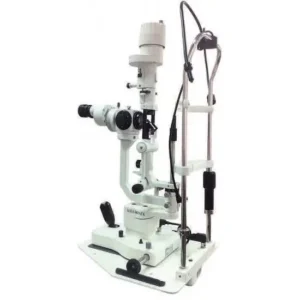
Its features include:
- Three magnification levels (10x, 16x, 25x)
- Advanced LED illumination and filters
- Durable construction
This model is best for clinics requiring a cost-effective yet powerful slit lamp.
6. Topcon DC-4 Digital Slit Lamp ($4,999.00)
Today’s eye care professionals use the Topcon DC-4 Digital Slit Lamp. It helps them focus on digital documentation.
Its advanced imaging features are helpful, and it connects easily with practice management systems, making it useful for any optometry practice.
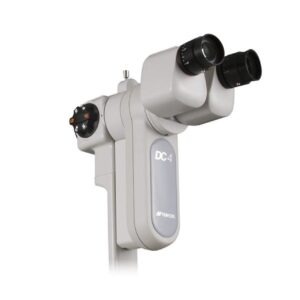
Its features include:
- High-resolution camera integration
- LED illumination with adjustable intensity
- User-friendly digital interface
This model is best for practices incorporating digital imaging into routine examinations.
Why Upgrade Your Slit Lamp in 2026?
As technology advances, buying a modern slit lamp helps keep your practice at the forefront of eye care. Upgrading your slit lamp provides several benefits.
Improved Patient Comfort
New LED models reduce glare and discomfort, ensuring a more pleasant patient experience during examinations. Adjustable brightness levels help minimize light sensitivity, reduce eye strain, and enhance patient cooperation.
Better lighting helps optometrists perform thorough exams. It also reduces patients’ stress, making visits easier and more effective.
Enhanced Diagnostic Accuracy
Advanced optics provide sharper, higher-contrast images, making it easier to detect subtle abnormalities. AI imaging helps find diseases early. It highlights potential issues and improves diagnosis and treatment planning.
High-resolution imaging lets us identify and monitor even the smallest irregularities, such as microvascular changes or early cataract formation, over time.
Seamless Digital Integration
Modern slit lamps seamlessly connect with EMRs and telemedicine platforms, enabling real-time data sharing and remote consultations. This integration does the following:
- Enhances patient record management
- Improves diagnostic accuracy
- Supports collaborative care among eye care professionals
Long-Term Cost Efficiency
LED models use less energy and last longer than traditional halogen bulbs. Their reduced heat output minimizes wear on internal components, lowering maintenance costs and reducing replacements. This makes them a smart investment for any practice.

Choose the Best Slit Lamp for Optometry Practice
Investing in the best slit lamp for your optometry practice improves diagnostic accuracy, boosts efficiency, and elevates patient care. With numerous models available, the right choice depends on your clinical needs, budget, and long-term technology plans.
Manzo Ophthalmic offers high-quality slit lamps. They offer expert advice, competitive pricing, and a wide range of models to meet clinical needs. Manzo Ophthalmic helps you choose the right equipment for precise diagnostics and long-term reliability.
 English
 Spanish
 German
 French